
Top Kuwaiti Dishes Every Visitor Should Try
A delicious guide to Kuwait’s authentic flavors and where to taste them
When traveling to Kuwait, one of the most rewarding ways to experience the country’s culture is through its food. Kuwaiti cuisine beautifully blends Arabian, Persian, Indian, and Mediterranean influences, creating dishes that are rich in flavor, history, and tradition. For travelers eager to immerse themselves in authentic local experiences, trying traditional Kuwaiti dishes is a must.
This guide highlights the top Kuwaiti dishes every visitor should try, along with simple activities and the best places to enjoy them. From iconic rice dishes to comforting stews, you’ll discover why Kuwait is a hidden gem for food lovers.
Machboos – Kuwait’s National Dish
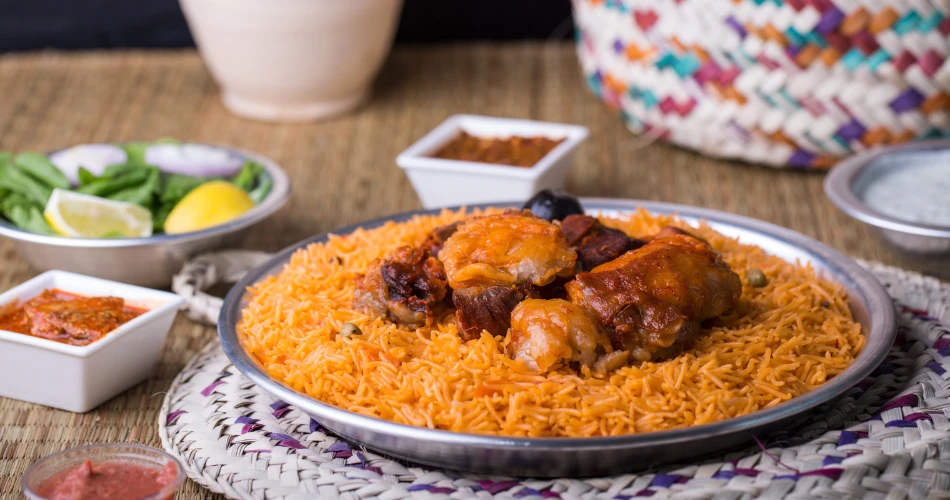
Machboos is Kuwait’s pride and joy, often considered the country’s national dish. It’s a fragrant rice-based meal cooked with tender lamb, chicken, or fish, flavored with saffron, cardamom, and a blend of spices. Served with daqoos, a tangy tomato sauce, Machboos is a must-try for anyone visiting Kuwait.
Where to try Machboos:
-
Freej Swaileh Restaurant (Salmiya): Famous for authentic Machboos with generous portions.
-
Mais Alghanim (Gulf Road): A family-friendly spot with a reputation for quality and tradition.
Activity tip: Pair your Machboos tasting with a stroll along Kuwait’s Gulf Road Corniche, enjoying the sea breeze and city views.
Harees – A Ramadan Special
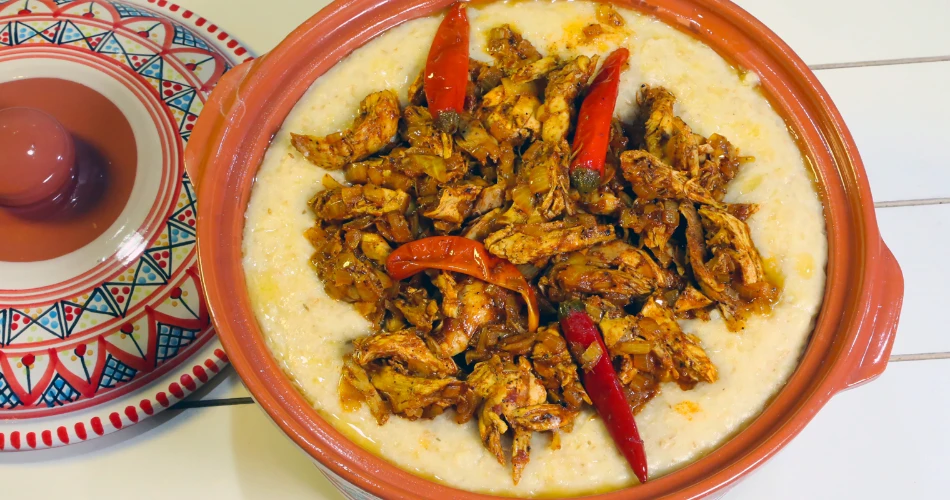
Harees is a slow-cooked wheat and meat porridge that is especially popular during Ramadan. The dish has a creamy texture and comforting flavor, making it ideal for those seeking authentic and hearty Kuwaiti food.
Where to try Harees:
-
Shahrayar Restaurant (Holiday Inn Kuwait): Known for its authentic Middle Eastern specialties.
-
Local Ramadan food tents: During the holy month, many local vendors serve freshly cooked Harees in vibrant street settings.
Activity tip: Visit Kuwait City’s Souq Al-Mubarakiya, one of the oldest markets, where you can experience the lively food culture and shop for souvenirs after enjoying Harees.
Mutabbaq Samak – Fish and Rice Delight
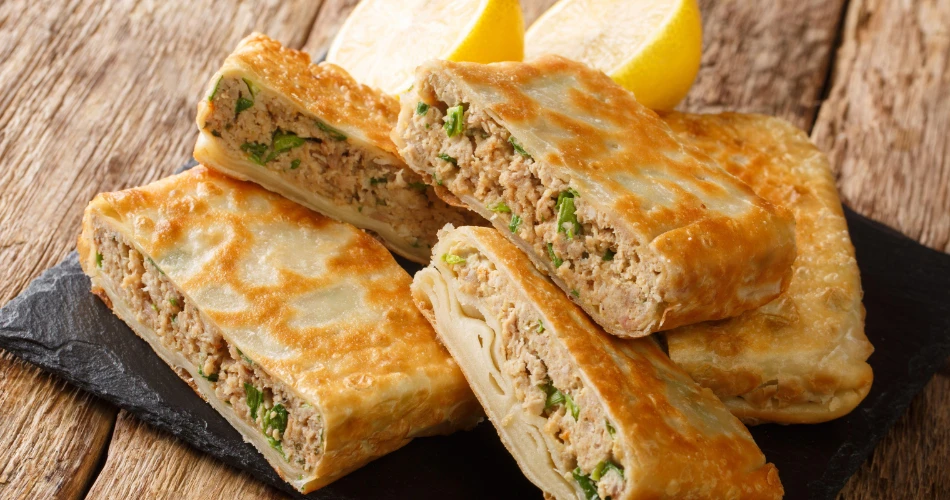
Being a coastal country, seafood is central to Kuwaiti cuisine. Mutabbaq Samak is a traditional dish featuring spiced fish, usually zubaidi (Pomfret fish, Kuwait’s national fish), served over rice cooked with dried limes and aromatic spices.
Where to try Mutabbaq Samak:
-
Beit Dickson (Sharq): Offers traditional seafood dishes in a historic setting.
-
Al Boom Steak & Seafood (Radisson Blu Hotel): Known for fresh seafood with a cultural twist.
Activity tip: After your meal, explore Marina Crescent, a lively waterfront area perfect for evening walks and people-watching.
Jireesh – A Hearty Cracked Wheat Stew
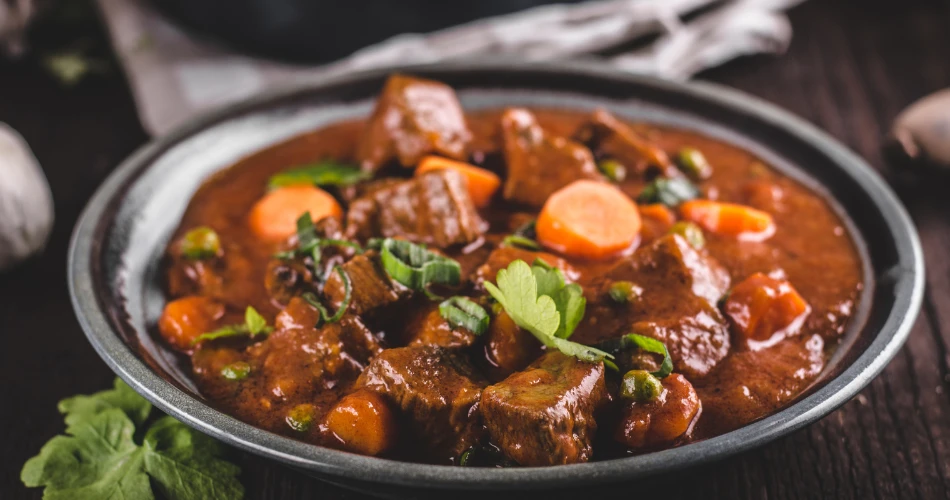
Jireesh is a slow-cooked dish made from crushed wheat mixed with chicken or lamb, simmered with tomatoes, spices, and sometimes lentils. It’s thick, filling, and often served during family gatherings or special occasions.
Where to try Jireesh:
-
Soluq Restaurant (Salmiya): A cozy place for authentic homemade-style Kuwaiti dishes.
-
Traditional Kuwaiti kitchens in Dasman and Hawally: Many locals recommend family-run eateries for the best Jireesh.
Activity tip: After enjoying Jireesh, visit the Kuwait Towers nearby for panoramic views of the city and coastline.
Margoog – Flavorful Vegetable Stew
Margoog is a nutritious dish made with vegetables, meat, and thin sheets of dough cooked together in a rich broth. The dough absorbs the flavors, creating a unique and wholesome meal. It’s one of the best vegetarian-friendly traditional options in Kuwait.
Where to try Margoog:
-
Freej Bin Agil (Fahaheel): Popular for authentic home-style cooking.
-
Avenues Mall food courts (select Kuwaiti kitchens): Offers Margoog along with other local favorites.
Activity tip: Enjoy Margoog before exploring The Avenues Mall, Kuwait’s largest shopping destination, for a mix of traditional and modern experiences.
Balaleet – Sweet and Savory Breakfast
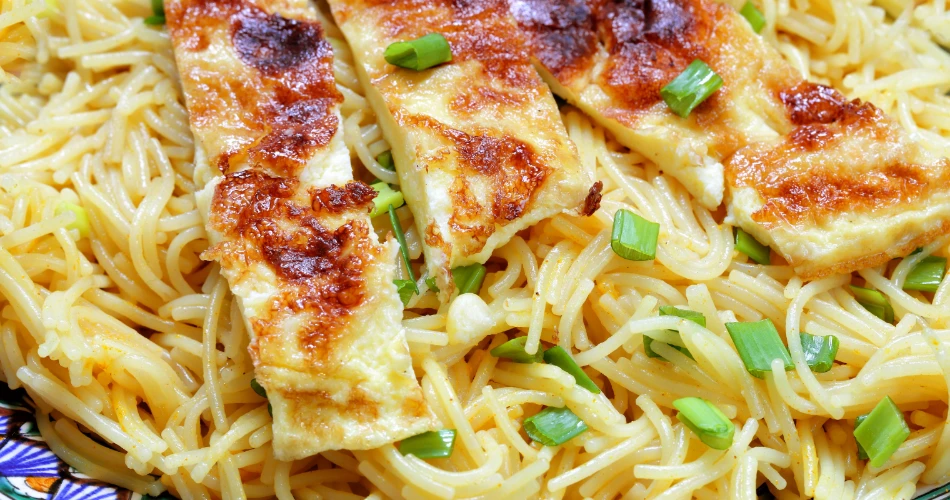
Balaleet is a beloved breakfast dish featuring sweetened vermicelli noodles spiced with cardamom and saffron, served with an omelet on top. The combination of sweet and savory may surprise visitors but is a true taste of Kuwaiti culture.
Where to try Balaleet:
-
Café Bazza (multiple branches): A modern yet authentic place for Balaleet.
-
Traditional Kuwaiti breakfast spots in Salmiya and Kuwait City: Many cafés serve it fresh in the mornings.
Activity tip: After breakfast, head to the Scientific Center and Aquarium to explore Kuwait’s marine life and educational exhibits.
Gers Ogaily – The Perfumed Sponge Cake
For dessert lovers, Gers Ogaily is a must-try Kuwaiti cake flavored with saffron, rosewater, and cardamom. Known as the “perfume cake,” it’s often served at gatherings with Arabic coffee or tea.
Where to try Gers Ogaily:
-
Opera Café (Salmiya): Famous for Arabic desserts and traditional sweets.
-
Local bakeries in Hawally and Salwa: Freshly baked Gers Ogaily is widely available.
Activity tip: Pair dessert tasting with an evening visit to Souq Sharq, where you can enjoy shopping, a marina view, and local snacks.
Final Thoughts
Food is one of the best ways to connect with Kuwait’s culture and traditions. From the national dish Machboos to sweet Balaleet and the comforting Harees, each Kuwaiti dish tells a story of heritage and hospitality.
When visiting Kuwait, plan your meals around local restaurants and traditional markets to truly experience the nation’s flavors. Combine these food adventures with activities like exploring Souq Al-Mubarakiya, walking along Gulf Road, or visiting Kuwait Towers for a complete cultural experience.
So, next time you’re in Kuwait, let your taste buds lead the way—you’ll discover much more than just food; you’ll discover the heart of the country.


About Author
Mia produces the best blogs when it comes to the cuisines of different countries. She's a foodie-cum-travel enthusiast, which makes her one of the best food travel bloggers!